Connecting Through Movement Across Coastal Towns
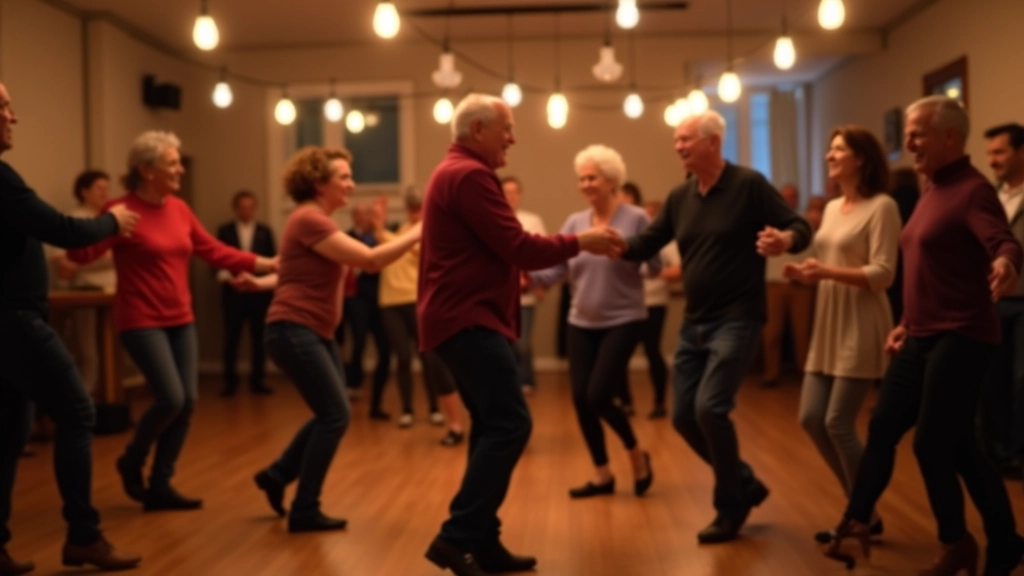
Dance communities along Ireland's coast aren't isolated. We've documented how dancers travel between towns, the social networks that form, and what makes each location unique.

How the Coast Changed Everything
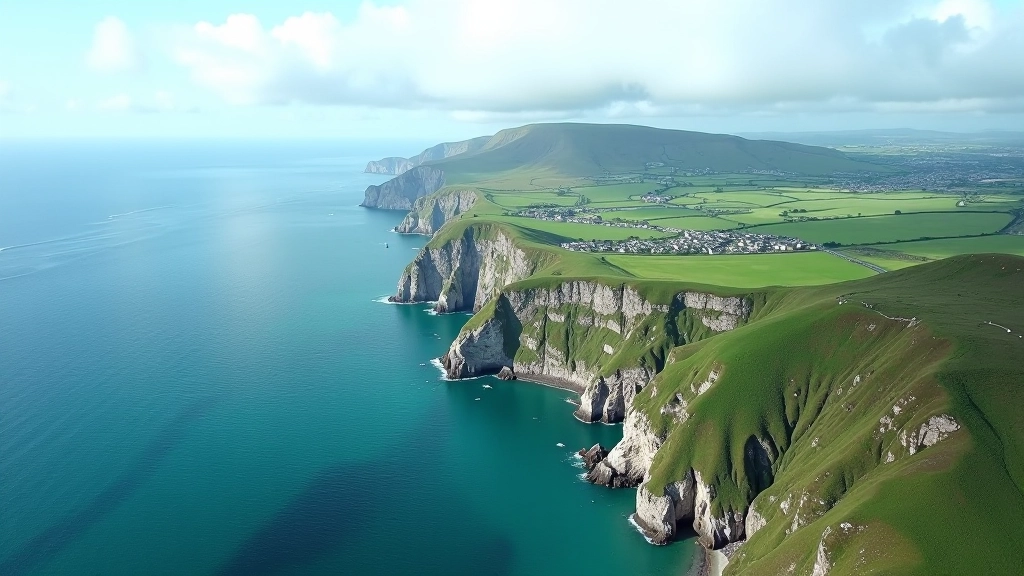
There's something about living by the water that pulls people together. When we started mapping dance communities along the Irish coast, we didn't expect to find what we actually did — not isolated groups, but interconnected networks of dancers who treat the entire coastline as one community.
Dublin's kizomba circles don't stay in Dublin. Dún Laoghaire's beachside socials draw regulars from Cork and Waterford. Cork's themed nights attract dancers from as far north as Drogheda. It's not that people travel just for a night out — they're building relationships that span towns. They're creating something genuinely new on the Irish dance scene.
We spoke with over 60 dancers across these communities. What emerged was a clear pattern: the coast acts as a connector. The scenic drives between towns, the seaside settings, even the slightly less formal atmosphere than city venues — it all creates conditions where people show up regularly and stay committed.

The Geography of Connection
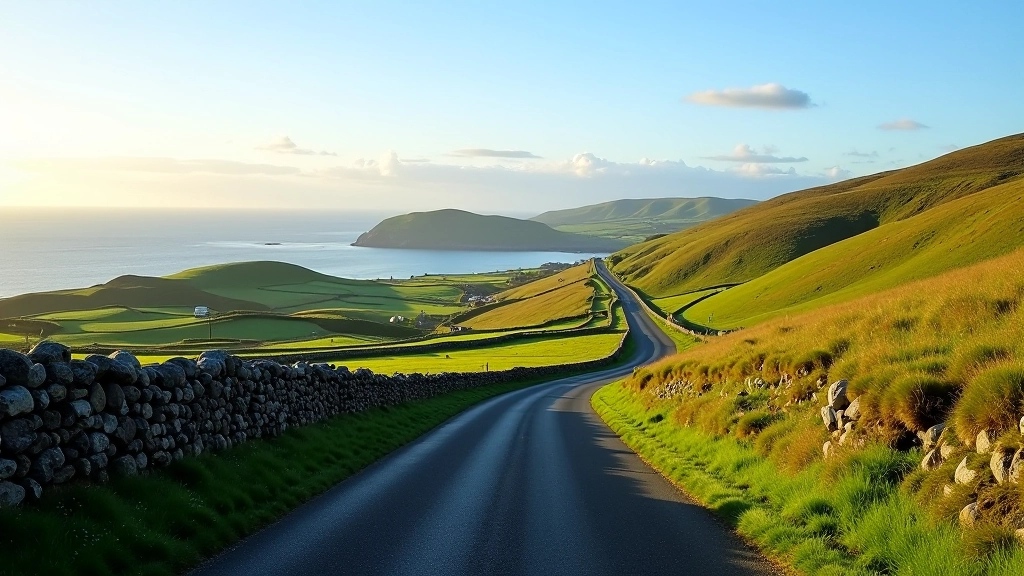
The numbers tell an interesting story. Dublin to Dún Laoghaire is about 30 kilometers — roughly 40 minutes by car. That's close enough for a regular Friday night habit. Dún Laoghaire to Cork is 160 kilometers — a proper drive, but not impossible for a Saturday event. Cork to Limerick is another 100 kilometers. These distances aren't random. They're the sweet spot where communities feel connected but remain distinct.
What surprised us most? People don't just visit once. We found regular "circuit dancers" who hit Dublin one week, Dún Laoghaire the next, Cork the week after. Not because they're restless, but because the communities are genuinely different. Each town has developed its own character.
Dublin's venues tend toward larger group socials with more structure. Dún Laoghaire's beachside events are smaller, more intimate, often ending with sunset conversations by the water. Cork's themed nights rotate between Latin, retro, and live music events. Limerick's emerging scene focuses on beginner-friendly instruction nights. If you're serious about dance, you're not choosing one town — you're exploring all of them.
The Network Effect
One dancer, Aoife from Galway, put it perfectly: "I didn't join a dance class. I joined a coast-wide community that happens to meet in different places." That mindset shift changes everything. You're not loyal to a venue or even a town — you're part of a network of people who value movement, connection, and showing up consistently.
What Makes Each Town Unique
Dublin's scene is the largest and most established. You'll find kizomba, salsa, bachata, and a growing zouk community. The venues are professional, the instructors are experienced, and you'll meet people at every skill level. It's not intimidating — it's just busy. If you're looking for volume and variety, Dublin delivers.
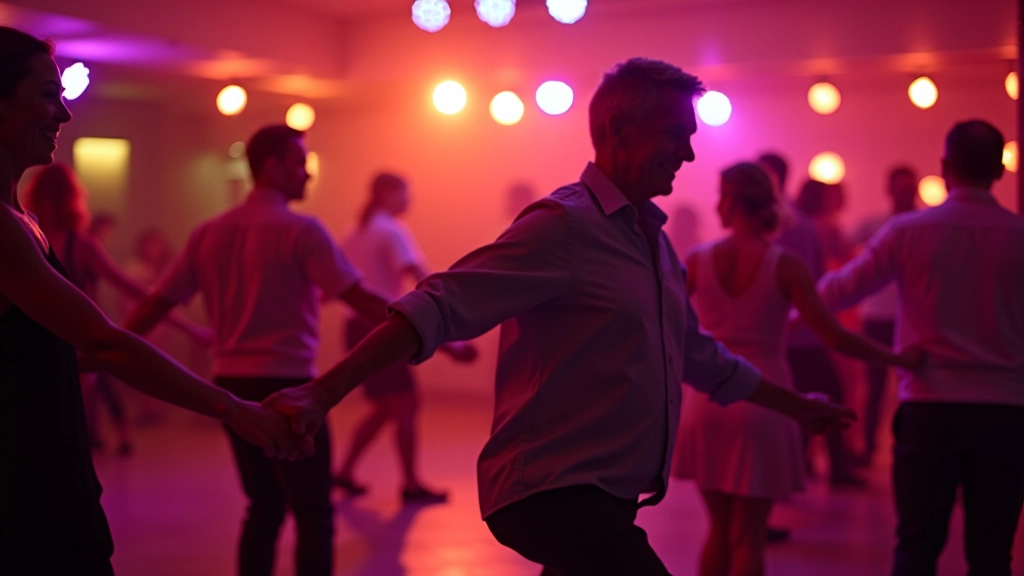
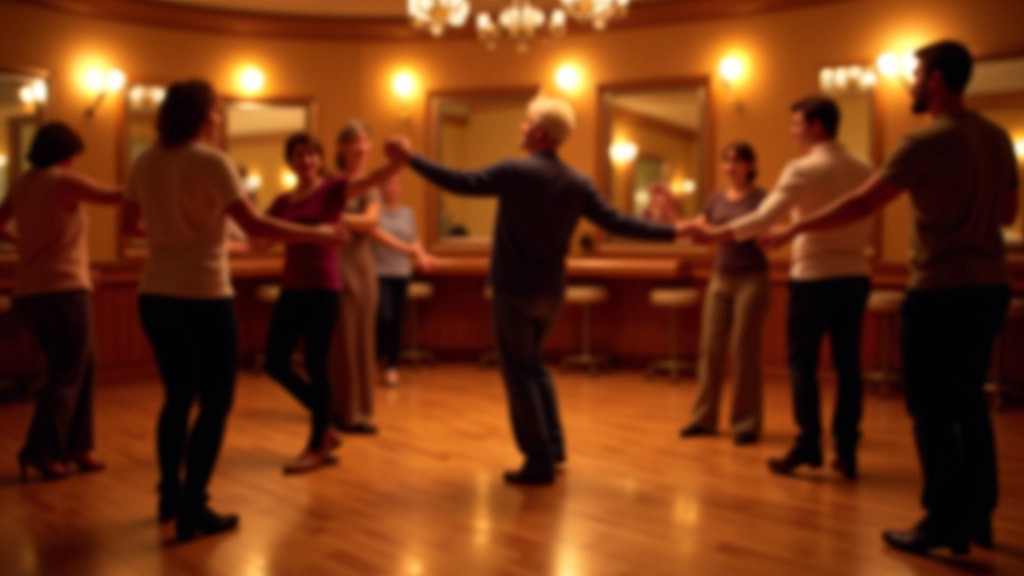
Dún Laoghaire's summer beachside socials are something special. Between June and September, the Friday evening gatherings by the pier attract a dedicated crowd. It's more casual than Dublin — you'll see dancers in summer dresses and linen shirts rather than the smart-casual of city venues. The music is live or curated playlists. The dancing happens on the promenade or nearby function rooms. There's a real sense of occasion.
Cork's strength is variety. The city hosts themed nights that rotate weekly — Latin Monday, Retro Wednesday, Live Band Friday. This variety keeps regulars engaged. You're not doing the same thing week after week. The community there skews slightly younger than Dublin or Dún Laoghaire, but the over-45 crowd still shows up regularly, particularly for the Latin and live music nights.
Getting Started with the Coastal Circuit
Pick Your Starting Point
Don't overthink it. If you're in Dublin, start there. If you're coastal, pick the nearest town. You'll naturally expand from there once you've got a routine.
Commit to Four Weeks
Show up to the same event four times. You'll recognize faces, people will recognize you, and you'll start feeling like part of the community rather than a visitor.
Expand Gradually
Once you're comfortable in one place, try a different town. You'll discover that the skills transfer and the people are welcoming. You're not starting over — you're expanding.
Join the Network
Many communities use WhatsApp or Facebook groups to share event updates, carpools, and social plans. Getting on these lists accelerates your integration significantly.
About This Guide
This article is informational and based on interviews with community members, venue operators, and regular attendees across Irish coastal towns. Event schedules, venues, and community dynamics change regularly. We recommend contacting local dance venues or community organisers directly for current event information. Driving times and distances are approximate and may vary based on traffic conditions and your exact starting point. Always prioritise safe driving practices when traveling between towns for dance events.
The Real Connection
The coastal dance community isn't really about geography. Yes, people travel between towns. Yes, they drive for events. But what's actually happening is something deeper — they're building authentic connections with people who share their values. People who believe that movement, music, and showing up matter.
You don't need to be from Dublin or live on the coast to be part of this. You just need to be willing to show up, to be patient with yourself, and to understand that the community will meet you halfway. The coast has created the conditions for connection. Now it's up to you to step into it.
Start this weekend. Pick a venue. Show up. You'll be surprised how quickly you become part of something bigger than yourself.
Related Articles